
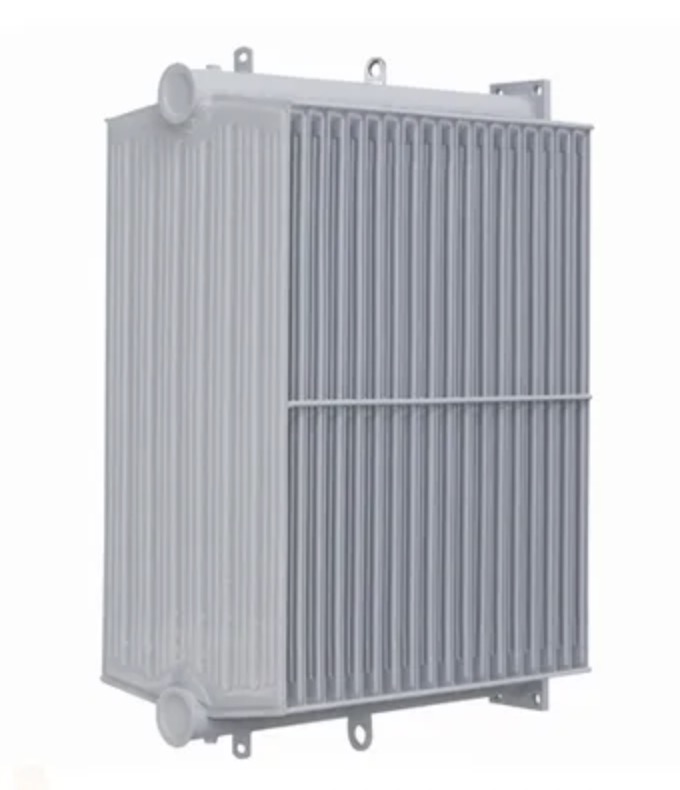
Temperature Effects on Cooling Performance
Ambient temperature is the most significant climate factor affecting transformer cooling performance. Higher ambient temperatures reduce the temperature differential between the radiator surface and surrounding air, decreasing heat transfer efficiency. For every 10 C increase in ambient temperature, radiator cooling capacity decreases by approximately 8-12%.
In tropical and desert climates where ambient temperatures can exceed 45 C, transformers may require up to 30% more radiator surface area compared to installations in temperate climates. Proper thermal design accounting for local climate conditions is essential for reliable transformer operation.
Humidity and Altitude Considerations
High humidity affects radiator performance primarily through its impact on air density and heat capacity. While the direct effect is relatively small (2-5% reduction), high humidity combined with temperature fluctuations can accelerate corrosion and coating degradation, particularly in coastal and tropical environments.
Altitude has a more pronounced effect on cooling performance. At 2000m elevation, air density is approximately 20% lower than at sea level, reducing convective heat transfer significantly. ASME and IEC standards provide derating factors for transformer cooling at high altitudes.
Solar Radiation and Wind Effects
Direct solar radiation can heat radiator surfaces, raising their temperature by 5-15 C above ambient and reducing cooling effectiveness. In sunny climates, consideration of solar heat gain is important for accurate thermal design. Shading structures or light-colored coatings can mitigate this effect.
Wind can significantly enhance natural convection cooling, with studies showing 10-25% improvement in ONAN cooling capacity at moderate wind speeds. However, this effect is variable and typically excluded from conservative design calculations. Installation in sheltered locations may reduce this natural benefit.
Climate-Adapted Radiator Design
Tengqi Technology offers climate-adapted radiator designs optimized for specific environmental conditions. For hot climates, features include increased panel count, optimized fin spacing for enhanced airflow, and high-temperature coating systems. For cold climates, designs address oil viscosity and cold-start considerations.
For regions with large seasonal temperature variations, hybrid cooling solutions combining ONAN and ONAF operation provide flexibility to adapt to changing conditions. The intelligent control system automatically adjusts cooling mode to maintain optimal operating temperature year-round.
Conclusion
Climate conditions significantly impact transformer cooling performance and must be carefully considered in radiator design and selection. By accounting for local temperature, humidity, altitude, and solar conditions, engineers can ensure reliable transformer operation across diverse global environments.
Need Expert Advice on Transformer Cooling?
Contact our engineering team for professional consultation on transformer radiator selection, maintenance, and custom cooling solutions.
Contact Us →