
Importance of Transformer Oil Temperature
Transformer oil temperature is a key indicator of transformer operating condition. Excessive temperature accelerates insulation material aging, reducing transformer life; too low temperature may affect oil fluidity and reduce cooling efficiency. Effective oil temperature management is therefore essential for safe and economical transformer operation.
Oil temperature is affected by multiple factors including load level, ambient temperature, radiator efficiency, and oil quality. According to international standards, the top oil temperature rise should not exceed 60 K under rated load. When oil temperature is abnormally high, the cause should be identified and corrective measures taken promptly.
Ideal Oil Temperature Range
For most mineral oil-immersed transformers, the recommended top oil temperature operating range is 40 C to 85 C. Within this range, transformer oil performs optimally and insulation aging is slowest. Alarm should be triggered at 95 C, and emergency measures taken above 105 C.
Research shows that for every 6 C increase in transformer oil temperature, the insulation paper aging rate approximately doubles (the 6 C Rule). Therefore, maintaining oil temperature within the recommended range is critically important for extending transformer life.
The Role of Radiators in Oil Temperature Management
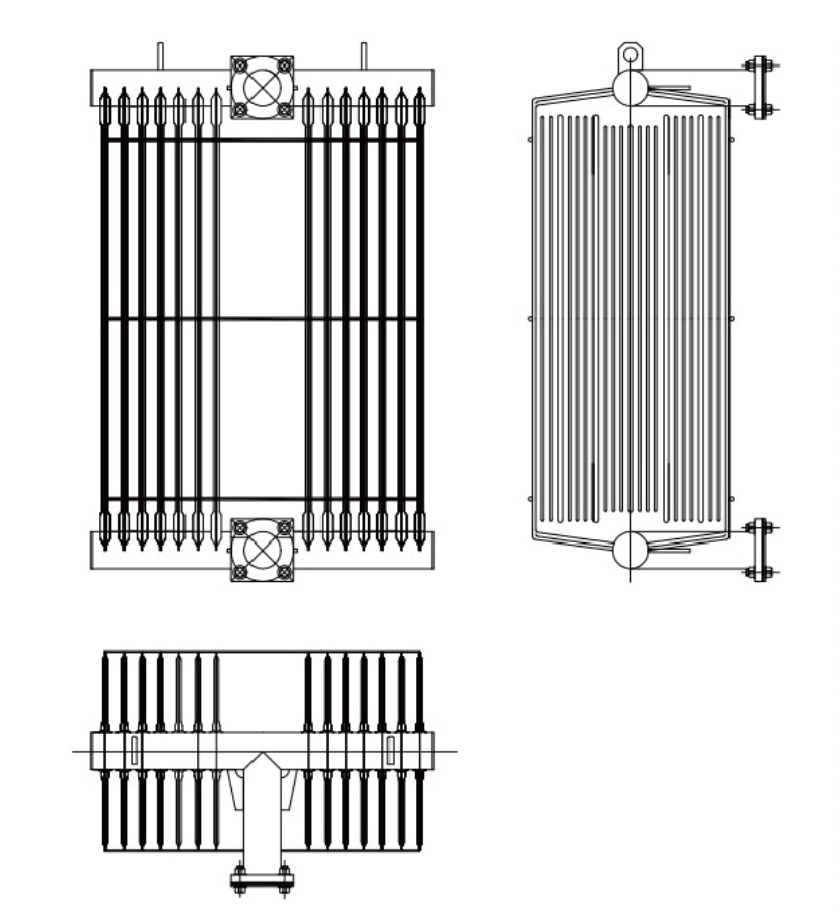
Radiators are the key equipment for transformer oil temperature management. An efficient radiator can dissipate more heat at the same oil temperature, or maintain a lower oil temperature under the same thermal load. Choosing the right radiator type and capacity is essential for effective oil temperature management.
Plate-type radiators, with their efficient heat transfer performance and compact structure, excel in transformer oil temperature management. Optimized fin spacing and surface treatment maximize heat transfer area and improve heat transfer coefficient, enabling more effective oil temperature control.
Causes and Solutions for Abnormal Oil Temperature
When transformer oil temperature is abnormally high, possible causes include: contaminated radiator surfaces, blocked cooling fins, fan failure, oil pump failure, low oil level, deteriorated oil quality, high ambient temperature, or transformer overload. Investigate each possibility systematically.
Measures to address abnormal oil temperature include: cleaning radiator surfaces, inspecting and repairing fans and oil pumps, topping up or replacing transformer oil, adding auxiliary cooling equipment, and reducing transformer load. If problems persist, contact technical professionals for comprehensive inspection.
Conclusion
Transformer oil temperature management is a core task in transformer operation and maintenance. Through proper radiator selection, regular cooling system maintenance, and oil temperature monitoring, you can effectively control transformer operating temperature, extend equipment life, and improve power system reliability.
Need Expert Advice on Transformer Cooling?
Contact our engineering team for professional consultation on transformer radiator selection, maintenance, and custom cooling solutions.
Contact Us →