Why Regular Maintenance Matters
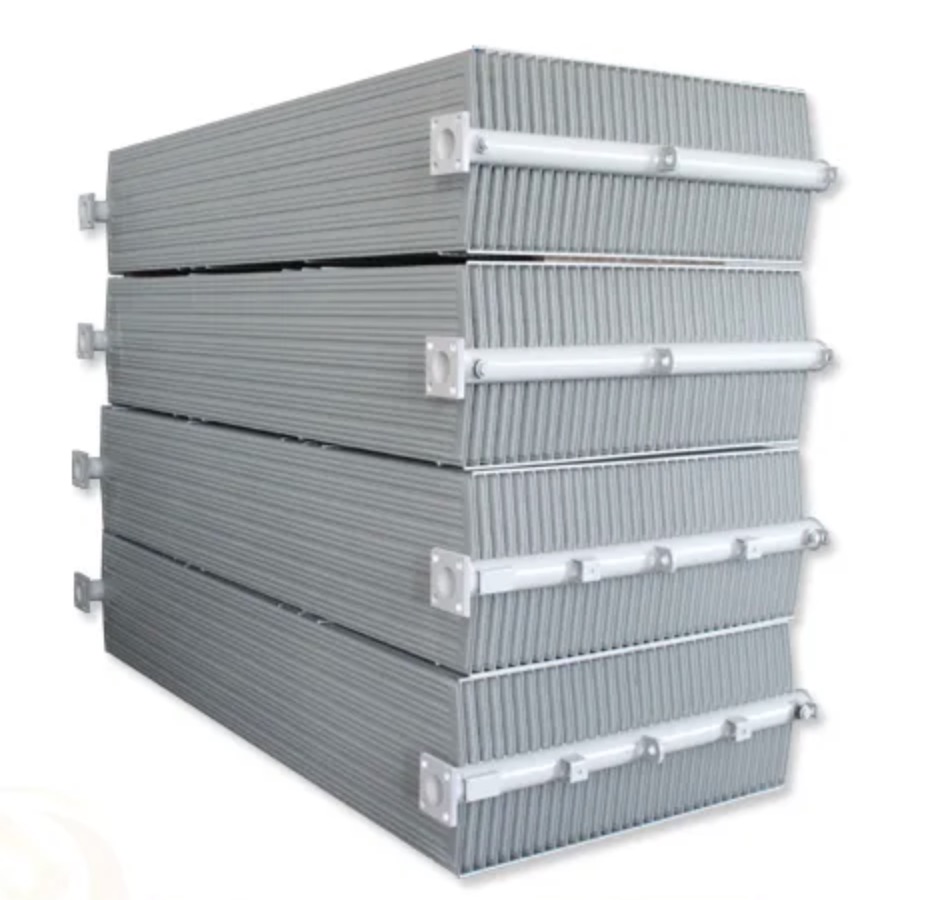
Transformer radiators are critical components of transformer cooling systems, directly affecting operating temperature and service life. Regular maintenance not only ensures heat dissipation efficiency but also helps detect potential issues early, avoiding costly downtime.
For power transformers, radiators are exposed to outdoor conditions including sunlight, rain, dust, and corrosive gases. Without proper maintenance, radiator efficiency gradually decreases, causing transformer oil temperature to rise, accelerating insulation aging, and shortening transformer life.
Daily Inspection Points
Daily inspection of transformer radiators should include: checking the radiator surface for dirt, oil stains, or corrosion; inspecting between fins for debris blocking airflow; examining connections for oil leaks, especially at flange joints and welds.
Additionally, check that the radiator support structure and fixing bolts are secure, fans (if equipped) are running correctly, and temperature readings are within normal range. Maintain inspection records to track radiator performance trends.
Cleaning Methods and Schedule
Cleaning transformer radiators is one of the most important maintenance tasks. Methods vary by contamination level: light contamination can be rinsed with low-pressure water; moderate contamination requires专用 cleaner with soft brush; heavy contamination may need professional disassembly cleaning.
Recommended cleaning schedule: at least once yearly in normal environments; every six months in dusty or industrial areas; quarterly inspection and cleaning as needed in coastal or chemical plant areas. Take care to avoid damaging fins and maintain appropriate water pressure.
Anti-corrosion and Coating Maintenance
The anti-corrosion coating on transformer radiators is essential for long-term reliable operation. Over time, coatings may degrade due to UV exposure, temperature changes, and chemical corrosion. Regularly inspect coating condition and promptly repair any blistering, peeling, or rust spots.
For severely corroded areas, re-spraying may be necessary. Tengqi Technology uses advanced automatic coating technology to ensure coating uniformity and durability. For maintenance, use equivalent or better anti-corrosion paint than the original for optimal protection.
Conclusion
Regular maintenance of transformer radiators is key to ensuring long-term reliable transformer operation. By establishing a科学的 maintenance plan with regular inspection, cleaning, and anti-corrosion treatment, you can significantly extend radiator and transformer service life, reduce operating costs, and improve power system reliability.
Need Expert Advice on Transformer Cooling?
Contact our engineering team for professional consultation on transformer radiator selection, maintenance, and custom cooling solutions.
Contact Us →