
Energy Consumption in Transformer Cooling Systems
Transformer cooling systems consume a significant portion of a transformer total operational energy, particularly for large power transformers with forced cooling. ONAF and OFAF systems require continuous power for fan and pump operation, contributing to the overall carbon footprint of electrical infrastructure.
Energy-efficient cooling design considers the entire system lifecycle, from initial manufacturing energy to operational energy consumption over the transformer 20-30 year service life. Optimizing cooling system efficiency can reduce total ownership costs by 15-25%.
Variable Speed Fan and Pump Control
Traditional cooling systems operate fans and pumps at fixed speed, running at full capacity whenever temperature setpoints are exceeded. Variable frequency drive (VFD) technology enables precise matching of cooling output to actual thermal load, significantly reducing energy consumption during partial load conditions.
Tengqi Technology intelligent cooling control systems incorporate VFD technology with temperature-based feedback control. Field data shows 30-50% energy savings compared to traditional on/off control, with the additional benefit of reduced noise during low-load operation.
Optimized Radiator Surface Design
Radiator surface design directly affects heat transfer efficiency and therefore the energy required for cooling. Advanced fin geometries, optimized fin spacing, and enhanced surface treatments can improve heat transfer coefficients by 15-25% without increasing radiator size or weight.
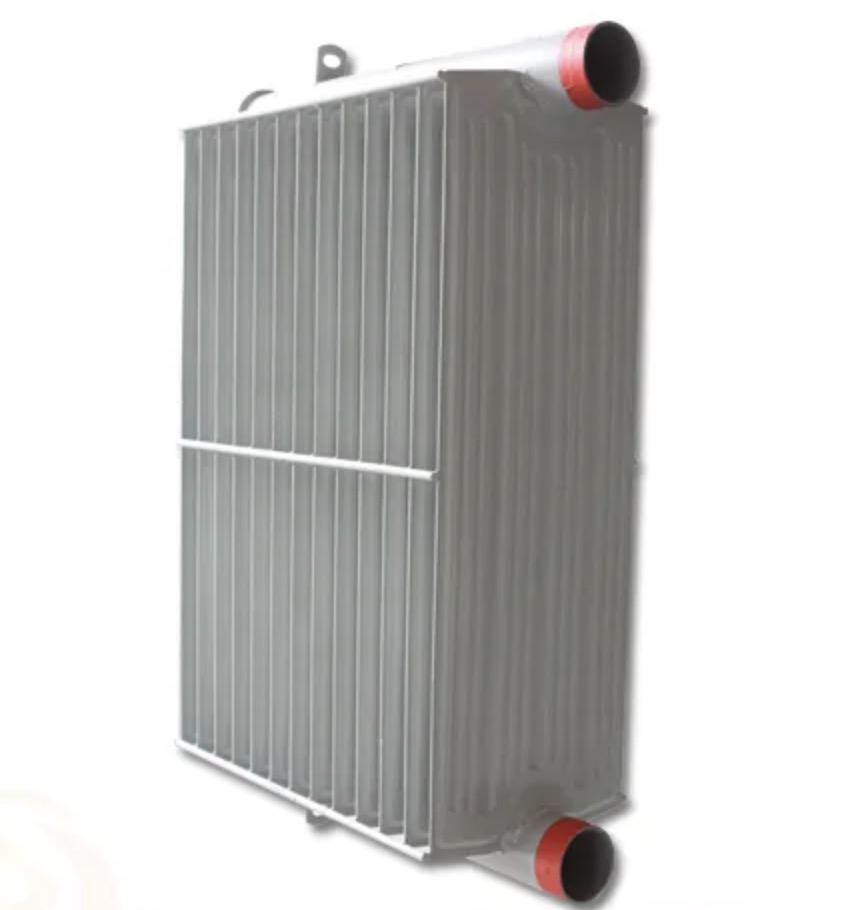
Tengqi Technology plate-type radiators use computational fluid dynamics (CFD)-optimized flow channel designs that maximize heat transfer while minimizing oil-side pressure drop. This reduces the pumping energy required for forced oil circulation systems while maintaining superior cooling performance.
Passive Cooling Enhancement Technologies
Passive cooling enhancement technologies improve heat dissipation without consuming additional energy. These include selective coating materials that enhance radiative heat transfer, chimney-effect enclosure designs that increase natural airflow, and phase-change materials that absorb peak thermal loads.
Integrating passive cooling enhancements with active systems creates hybrid cooling solutions that minimize energy consumption while ensuring adequate cooling capacity for all operating conditions. Tengqi Technology offers customized hybrid solutions tailored to site-specific conditions.
Conclusion
Energy-efficient transformer cooling technologies offer significant operational cost savings and environmental benefits. By combining intelligent control systems, optimized radiator design, and passive enhancement technologies, transformer operators can reduce cooling energy consumption by 30-50% while maintaining or improving cooling performance.
Need Expert Advice on Transformer Cooling?
Contact our engineering team for professional consultation on transformer radiator selection, maintenance, and custom cooling solutions.
Contact Us →