The Relationship Between Transformer Failures and Cooling
A significant proportion of transformer failures are related to cooling system malfunction. Overheating is one of the most common causes of transformer failure. When the cooling system cannot effectively dissipate heat, transformer oil temperature rises, accelerating insulation aging, potentially leading to insulation breakdown, short circuits, and even fire.
Statistics show that approximately 30% of transformer failures are directly related to inadequate thermal management. Therefore, ensuring reliable cooling system operation is crucial for preventing transformer failures.
Early Warning Signs of Overheating
Transformer overheating typically presents early warning signs: abnormal oil temperature rise, gas generation from局部 overheating (detectable by oil chromatography analysis), uneven surface temperature distribution on radiators, and frequent cooling fan activation. Early recognition of these signs can prevent fault escalation.
Regular oil chromatography analysis and infrared thermal imaging inspection are recommended for transformers in service. Oil chromatography detects the composition and content of dissolved gases in oil. Infrared thermal imaging visually displays temperature distribution on radiator surfaces.
Preventive Measures for Radiator Failures
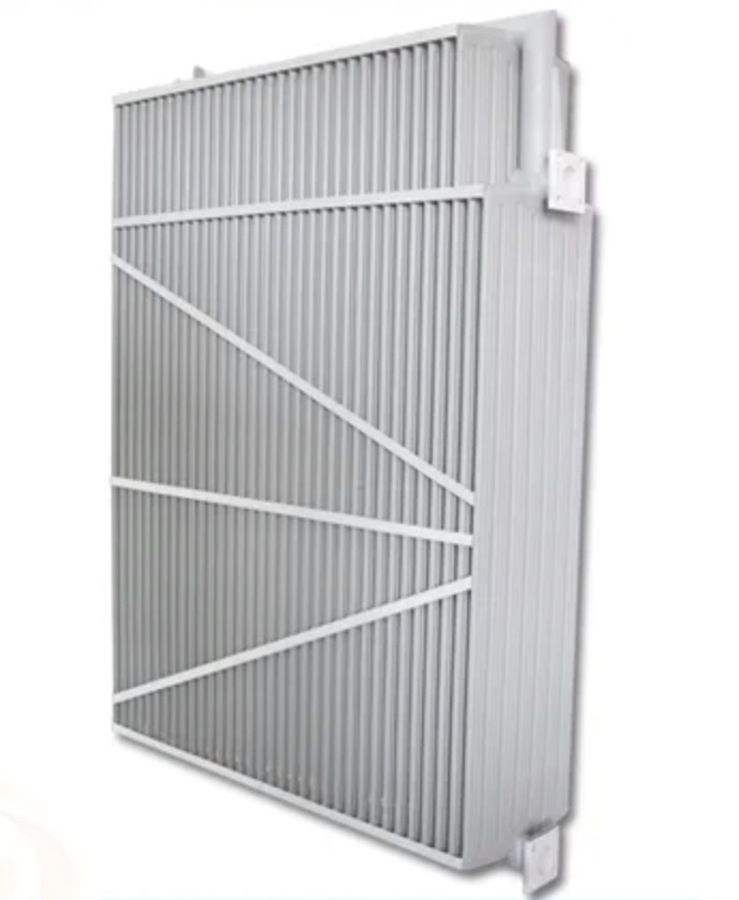
Key measures to prevent radiator failures include: regularly cleaning radiator surfaces and fin gaps, checking fan and motor operating status, inspecting oil pump working condition, checking for oil leaks at connections, and monitoring oil temperature difference between radiator inlet and outlet.
It is recommended to install a radiator performance monitoring system to track radiator efficiency and operating parameters in real time. When radiator performance drops below set thresholds, the system will automatically alarm.
Redundant Radiator Design
For critical power facilities, redundant radiator design is recommended. Common redundant configurations include N+1 configuration and group control. Redundant design ensures transformers can continue operating normally when some radiators are faulty or under maintenance.
This is particularly important for locations with extremely high power supply reliability requirements such as substations, hospitals, and data centers. Tengqi Technology can provide customized redundant cooling solutions based on project requirements.
Seasonal Maintenance Strategy
Transformer cooling systems should have maintenance strategies tailored to different seasons. Comprehensive radiator cleaning and fan inspection should be performed before summer peak temperatures arrive. In winter, pay attention to the relationship between oil temperature and ambient temperature.
During thunderstorm seasons, check that radiator grounding devices are intact. In dusty seasons, increase radiator cleaning frequency. In northern cold regions, take anti-freezing measures in winter.
Conclusion
Through proper radiator design, regular maintenance, condition monitoring, and fault预警, transformer failures caused by cooling problems can be effectively prevented. Tengqi Technology is committed to providing customers with efficient and reliable cooling solutions.
Need Expert Advice on Transformer Cooling?
Contact our engineering team for professional consultation on transformer radiator selection, maintenance, and custom cooling solutions.
Contact Us →