
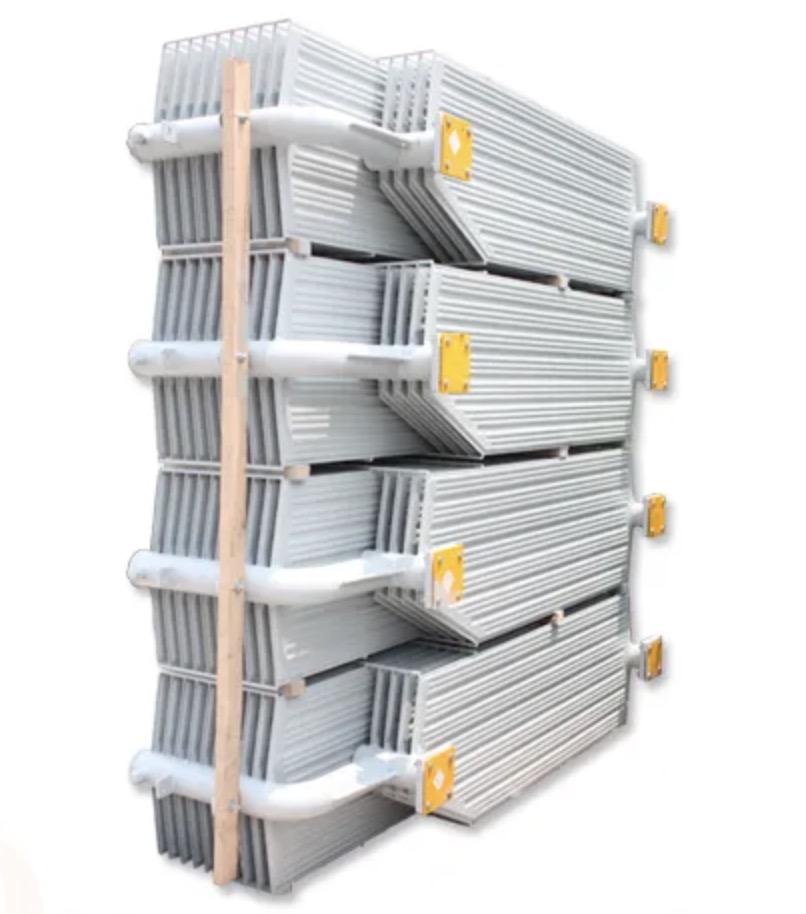
Transformer Radiator Price Composition
Transformer radiator prices are determined by multiple factors. Understanding these factors helps users make more informed procurement decisions. Radiator quotations typically include material costs, manufacturing costs, transportation costs, taxes, and manufacturer profit.
Price differences between different manufacturers, specifications, and materials can be significant. This article examines the main factors affecting transformer radiator pricing.
Material Costs
Material costs account for the largest proportion of total radiator cost, typically 50-60%. Price differences between materials are significant: standard cold-rolled steel is the most economical, galvanized steel slightly higher, and stainless steel the most expensive.
Surface treatment materials and processes are also important cost components. Standard spray coating costs less than hot-dip galvanizing, while special anti-corrosion coatings add additional cost. Material selection should be based on actual application environment rather than purely pursuing low cost.
Manufacturing Process and Specifications
Radiator manufacturing process directly affects cost. Highly automated production lines reduce unit manufacturing costs but require larger initial investment in molds and equipment. Non-standard custom radiators typically cost 15-30% more than standard products.
Radiator specifications (size, number of plates, center distance, etc.) are also key price factors. Generally, larger surface area, more plates, and larger center distance result in higher prices.
Order Quantity and Volume
Order quantity has a significant impact on unit price. Generally, larger quantities result in lower unit prices. Bulk orders can amortize mold setup costs, raw material procurement costs, and transportation costs, achieving economies of scale.
Tengqi Technology offers flexible cooperation models for different order volumes: small quantities at standard prices, medium quantities with volume discounts, and large quantities with long-term supply agreements.
Certification and Quality Standards
Radiator quality standards and certification requirements also affect price. Radiators complying with international standards (IEC, IEEE) typically cost more than those meeting only domestic standards due to stricter quality control and more testing items.
Tengqi Technology products comply with multiple standards including IEC, IEEE, and GB, and have passed type tests from the National Transformer Quality Supervision and Inspection Center. Although certified products are slightly more expensive, they offer longer service life and lower maintenance costs.
Conclusion
Transformer radiator prices are affected by multiple factors. It is recommended to consider not only the initial price but also product quality, service life, maintenance costs, and manufacturer technical support capability when procuring. Tengqi Technology is committed to providing customers with the best cost-effective products.
Need Expert Advice on Transformer Cooling?
Contact our engineering team for professional consultation on transformer radiator selection, maintenance, and custom cooling solutions.
Contact Us →